
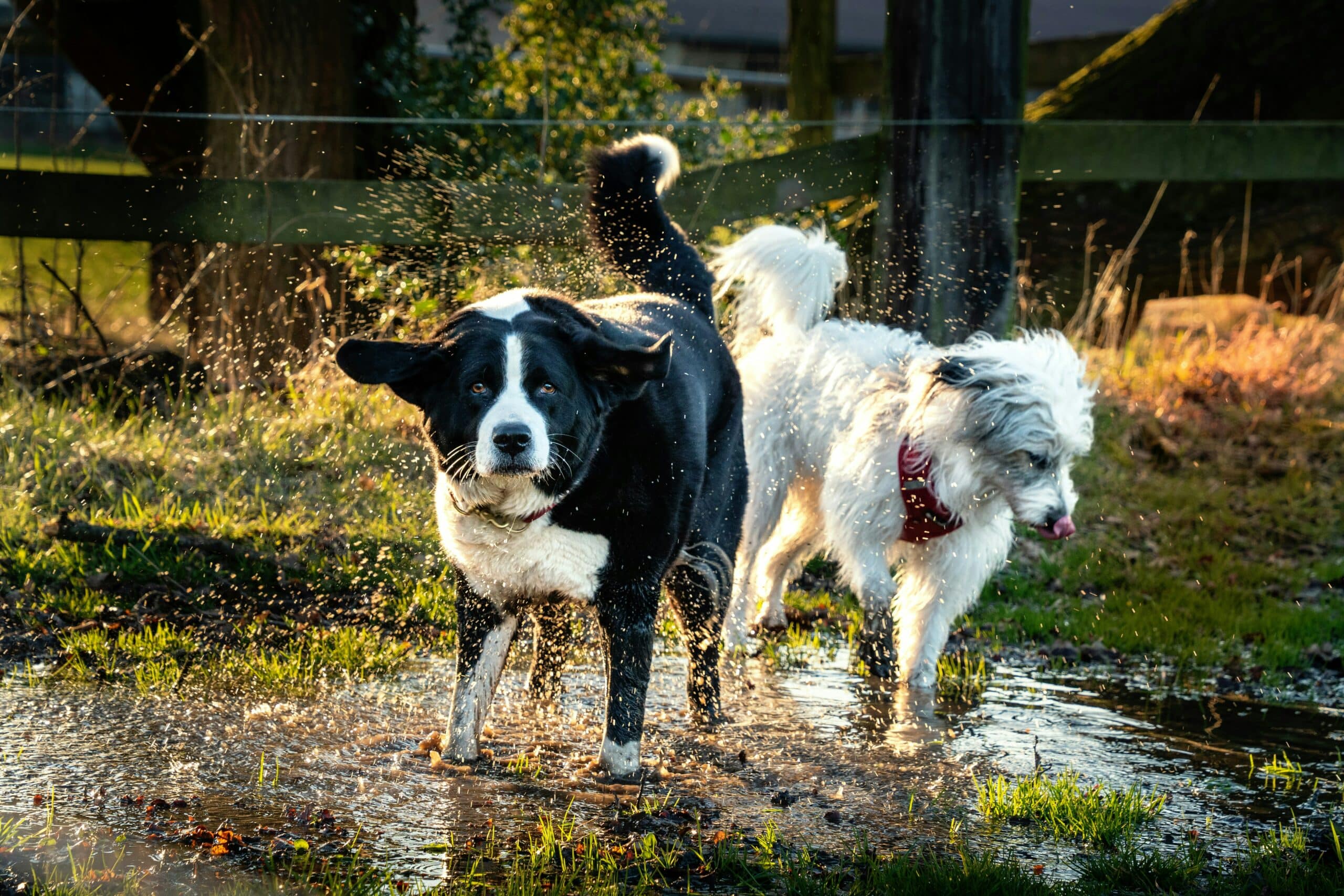
Water dogs have a documented history spanning several centuries, with their development closely tied to human activities involving aquatic environments. Archaeological and historical evidence indicates that these breeds originated in various regions where water-based work was essential for survival and commerce. The Portuguese Water Dog represents one of the most well-documented examples of early water dog development.
Historical records from the Iberian Peninsula show these dogs were systematically bred by fishing communities along the Portuguese coast. Their documented responsibilities included herding fish into nets, retrieving fishing equipment, and serving as messengers between boats and shore. Genetic studies confirm that this breed shares common ancestry with other water dog varieties across Europe.
The American Water Spaniel developed during the 19th century in the Great Lakes region of the United States, specifically in Wisconsin and Minnesota. Breeding records indicate that hunters and sportsmen selectively developed this breed to retrieve waterfowl in the region’s marshlands and lakes. The breed’s medium size and dense, water-repellent coat were specifically adapted to the harsh conditions of North American wetlands.
The Irish Water Spaniel, with origins dating to the 1830s, was developed in Ireland through selective breeding programs focused on creating an efficient water retriever. Historical breeding records show that this breed was specifically designed for retrieving game from Ireland’s rivers and coastal waters, with its distinctive curly coat providing insulation in cold water conditions. The 19th century marked a significant period in water dog breed development, coinciding with increased recreational hunting and the establishment of formal breeding standards.
During this era, kennel clubs began documenting breed characteristics and establishing breeding protocols that standardized the physical and behavioral traits of water dogs. This systematization led to the recognition of distinct breeds and the preservation of their specialized working abilities.
Key Takeaways
- Water dogs have a rich history as skilled working dogs, especially in water-related tasks.
- They possess unique physical traits like water-resistant coats and webbed feet for swimming.
- Regular training and exercise are essential to meet their high energy and intelligence levels.
- Water dogs are known for their friendly temperament and compatibility with families and other pets.
- Proper grooming and health care are crucial to maintain their coat and overall well-being.
Physical Characteristics and Adaptations
Water dogs are characterized by their unique physical traits that enable them to excel in aquatic environments. One of the most notable features is their coat, which is often dense, curly, or wavy, providing insulation and waterproofing. For example, the curly coat of the Portuguese Water Dog is not only aesthetically pleasing but also serves a functional purpose by repelling water and keeping the dog warm while swimming.
This adaptation is crucial for breeds that spend extended periods in cold water, as it helps maintain their body temperature and buoyancy. In addition to their coats, water dogs typically possess strong, muscular bodies designed for swimming. Their webbed feet are another significant adaptation that enhances their swimming ability, allowing them to paddle efficiently through water.
Breeds like the Labrador Retriever exhibit this trait prominently, with their broad, powerful tails acting as rudders to steer them while swimming. Furthermore, their strong necks and broad chests contribute to their endurance in water, enabling them to retrieve game over long distances without tiring easily. These physical characteristics are not merely aesthetic; they are essential for the roles these dogs have played throughout history.
Training and Exercise Needs

Training a water dog requires a combination of consistency, patience, and an understanding of their unique needs. These breeds are known for their intelligence and eagerness to please, making them relatively easy to train when approached correctly. Early socialization is crucial; exposing them to various environments, people, and other animals helps develop a well-rounded temperament.
Basic obedience training should be prioritized, as it lays the foundation for more advanced skills such as retrieving and swimming commands. Exercise is equally important for water dogs, as they possess high energy levels that need to be channeled appropriately. Daily physical activity is essential to prevent boredom and destructive behaviors.
Activities such as swimming, running, or playing fetch are ideal for these breeds. Many water dogs thrive in environments where they can engage in activities that mimic their historical roles, such as retrieving objects from water or participating in agility courses designed for aquatic challenges. Regular exercise not only keeps them physically fit but also mentally stimulated, which is vital for their overall well-being.
Water Dog’s Temperament and Compatibility
The temperament of water dogs is often described as friendly, intelligent, and eager to please. These traits make them excellent companions for families and individuals alike. Their sociable nature allows them to get along well with children and other pets when properly socialized from a young age.
For instance, the Labrador Retriever is renowned for its gentle disposition and playful attitude, making it a popular choice for families with kids. Their affectionate nature often leads them to form strong bonds with their human companions. Compatibility with other pets can vary among different breeds of water dogs.
While many are generally friendly and adaptable, some may exhibit a stronger prey drive due to their hunting backgrounds. For example, the American Water Spaniel may have a tendency to chase smaller animals if not properly trained or socialized. It’s essential for prospective owners to consider the individual temperament of each breed and how it aligns with their lifestyle and existing pets.
Understanding these nuances can help ensure a harmonious household where all members—human and animal—can coexist peacefully.
Health and Grooming Requirements
| Metric | Details |
|---|---|
| Breed Type | Water Dog |
| Origin | Various (Portugal, Spain, France, etc.) |
| Size | Medium to Large |
| Coat Type | Curly, water-resistant |
| Temperament | Intelligent, energetic, friendly |
| Common Uses | Water retrieving, hunting, companionship |
| Average Lifespan | 10-14 years |
| Exercise Needs | High (daily vigorous activity) |
| Popular Breeds | Portuguese Water Dog, Spanish Water Dog, Irish Water Spaniel |
Water dogs are generally robust breeds; however, like all dogs, they are prone to certain health issues that potential owners should be aware of. Common concerns include hip dysplasia, eye disorders such as cataracts, and skin conditions related to their coats. Regular veterinary check-ups are essential for early detection and management of these issues.
Additionally, responsible breeding practices can significantly reduce the risk of hereditary health problems within specific breeds. Grooming requirements vary among different water dog breeds but typically involve regular brushing to prevent matting and maintain coat health. For instance, the curly coat of a Portuguese Water Dog requires consistent grooming to avoid tangles and keep it looking its best.
Bathing should be done as needed but not too frequently, as over-bathing can strip natural oils from their skin and coat. Regular ear cleaning is also important due to their propensity for ear infections, especially after swimming sessions. By adhering to a grooming routine tailored to their specific needs, owners can help ensure their water dogs remain healthy and comfortable.
Activities and Sports Suited for Water Dogs

Water dogs excel in various activities that leverage their natural abilities and instincts. One of the most popular sports among these breeds is dock diving, where dogs leap off a dock into a body of water to retrieve a toy or object. This sport not only showcases their swimming prowess but also provides an exhilarating outlet for their energy.
Many water dog owners find that participating in dock diving competitions strengthens the bond between them and their pets while allowing both to enjoy the thrill of the sport. Another activity well-suited for water dogs is agility training, which challenges their physical capabilities and mental acuity. Agility courses often include obstacles such as tunnels, jumps, and weave poles that require quick thinking and coordination—traits that many water dog breeds possess in abundance.
Additionally, obedience trials can be an excellent way for owners to engage with their dogs while reinforcing training commands in a structured environment. These activities not only provide physical exercise but also foster teamwork between dog and owner.
Famous Water Dogs in History and Pop Culture
Throughout history, water dogs have made notable appearances in various cultural contexts, often symbolizing loyalty and companionship. One of the most famous examples is the Labrador Retriever, which has been featured in numerous films and television shows due to its friendly demeanor and trainability. Movies like “Marley & Me” showcase the breed’s endearing qualities while highlighting its role as a beloved family pet.
In addition to film appearances, water dogs have also played significant roles in real-life events. The Portuguese Water Dog gained fame when it became associated with former President Barack Obama’s family during his time in office. Bo, the Obama family’s Portuguese Water Dog, captured hearts across the nation and brought attention to the breed’s intelligence and charm.
Such instances not only elevate the status of these breeds but also inspire potential owners to consider adopting a water dog as part of their family.
Tips for Choosing and Caring for a Water Dog
When considering adding a water dog to your family, it’s essential to evaluate your lifestyle and living situation carefully. Different breeds have varying exercise needs and temperaments; therefore, researching specific breeds will help you find one that aligns with your daily routine and activity level. For instance, if you lead an active lifestyle with access to water bodies for swimming or retrieving activities, a breed like the Labrador Retriever or American Water Spaniel may be an excellent fit.
Caring for a water dog involves more than just meeting its physical needs; it also requires emotional support and mental stimulation. Engaging your dog in regular training sessions not only reinforces good behavior but also strengthens your bond through shared experiences. Additionally, providing opportunities for socialization with other dogs can help develop a well-adjusted pet that is comfortable in various situations.
By understanding the unique characteristics of water dogs and committing to their care requirements, you can ensure a fulfilling relationship with your new companion that lasts a lifetime.













0 Comments