
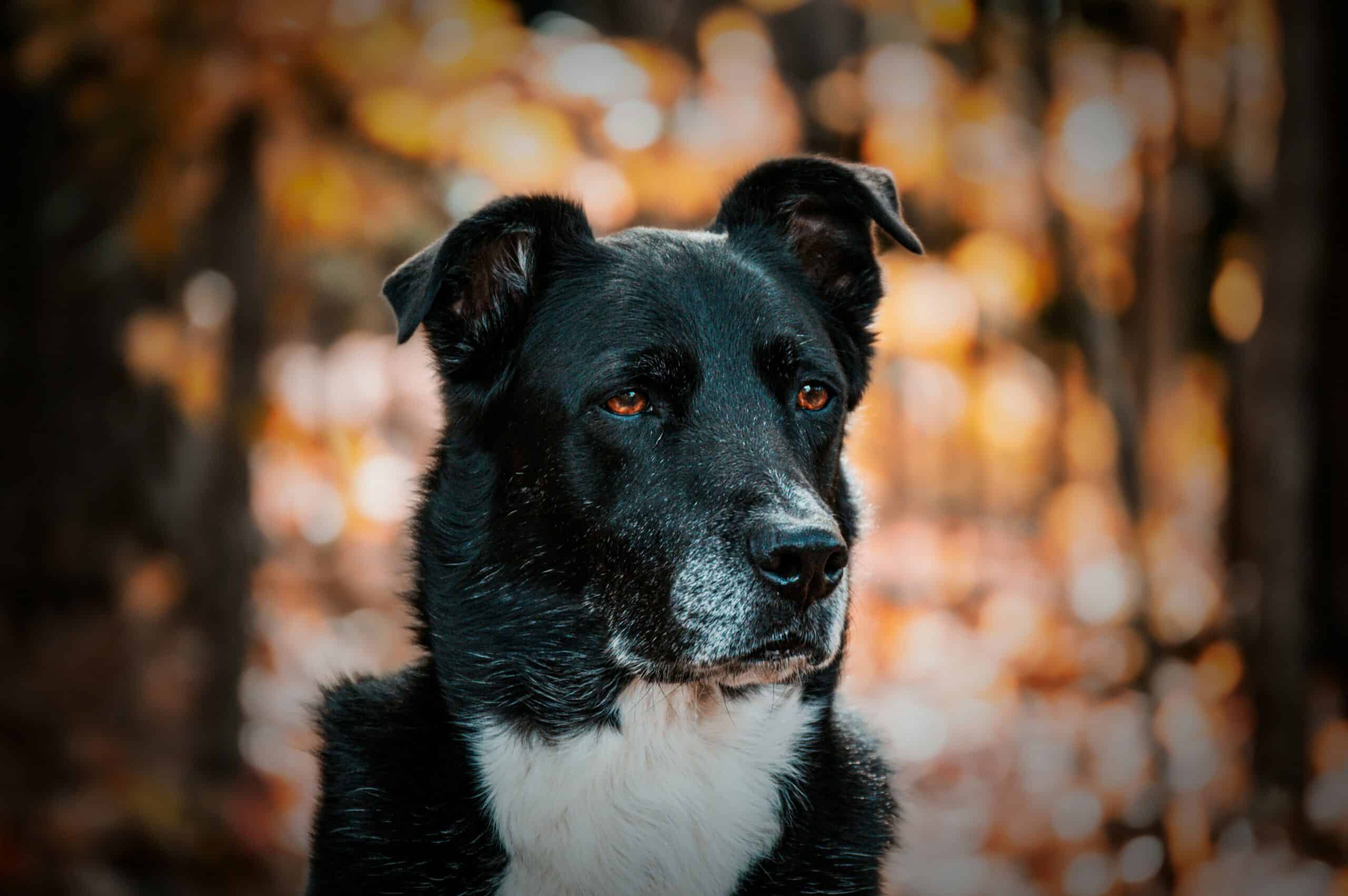
Dog breeds represent one of the most diverse examples of selective breeding in the animal kingdom. Currently, major kennel clubs recognize between 190 and 340 distinct breeds worldwide, each developed through centuries of purposeful breeding to enhance specific traits. These breeds are systematically classified based on size, original function, and behavioral characteristics, providing a framework for understanding their suitability for different environments and human requirements.
The development of modern dog breeds stems from humanity’s need for specialized working animals. Archaeological evidence indicates that selective breeding began approximately 15,000 years ago, with early civilizations developing dogs for hunting, herding, guarding, and companionship. This process created distinct genetic lineages optimized for particular tasks, resulting in the remarkable physical and behavioral diversity observed today.
Contemporary breed classification systems organize dogs into several primary categories. Size classifications typically include toy breeds (under 10 pounds), small breeds (10-25 pounds), medium breeds (25-60 pounds), large breeds (60-90 pounds), and giant breeds (over 90 pounds). Functional classifications group breeds by their original purpose: sporting dogs for retrieving game, hounds for tracking and hunting, working dogs for labor-intensive tasks, terriers for pest control, toy breeds for companionship, non-sporting breeds for various specialized functions, and herding dogs for livestock management.
Understanding these classifications enables prospective owners to select breeds whose characteristics align with their lifestyle requirements and living conditions.
Key Takeaways
- Dog breeds are categorized by size and purpose, including small, medium, and large breeds.
- Small dog breeds are ideal for apartment living and require less exercise.
- Large dog breeds often need more space and regular physical activity.
- Working and sporting dog breeds are bred for specific tasks like herding, hunting, or guarding.
- Toy and hound dog breeds have unique traits suited for companionship and tracking, respectively.
Small Dog Breeds
Small dog breeds are often characterized by their compact size and lively personalities. These breeds typically weigh less than 20 pounds and are well-suited for apartment living or homes with limited space. One of the most popular small breeds is the Chihuahua, known for its bold demeanor despite its diminutive stature.
Chihuahuas are often fiercely loyal to their owners and can be quite vocal, making them excellent watchdogs. Their adaptability to various living situations and their affectionate nature make them a favorite among urban dwellers. Another notable small breed is the Pomeranian, recognized for its fluffy double coat and vibrant personality.
Pomeranians are intelligent and eager to please, which makes them relatively easy to train. They thrive on social interaction and enjoy being the center of attention. Their playful nature often leads to a strong bond with their owners, making them delightful companions.
Additionally, small dog breeds like the Dachshund and the Yorkshire Terrier have also gained immense popularity due to their charming characteristics and manageable size.
Medium Dog Breeds

Medium dog breeds typically weigh between 20 to 60 pounds and offer a balance between the compactness of small breeds and the robustness of larger ones. One prominent example is the Beagle, a breed known for its keen sense of smell and friendly disposition. Beagles are often used in search-and-rescue operations due to their exceptional tracking abilities.
Their playful nature and sociable temperament make them great family pets, as they get along well with children and other animals. Another medium breed worth mentioning is the Australian Shepherd, renowned for its intelligence and agility. Originally bred for herding livestock, Australian Shepherds are highly trainable and excel in various canine sports.
Their energetic nature requires regular exercise and mental stimulation, making them ideal companions for active individuals or families who enjoy outdoor activities. The versatility of medium dog breeds allows them to adapt to various lifestyles while providing companionship and loyalty.
Large Dog Breeds
Large dog breeds are often defined by their impressive size and strength, typically weighing over 60 pounds. These dogs can serve various roles, from family pets to working dogs in various capacities. The Labrador Retriever is one of the most beloved large breeds worldwide, known for its friendly demeanor and intelligence.
Labradors are often employed as service dogs due to their trainability and gentle nature. Their love for water makes them excellent swimmers, and they thrive in active households where they can engage in outdoor activities. Another notable large breed is the German Shepherd, recognized for its loyalty and versatility.
German Shepherds are frequently used in police and military work due to their intelligence and protective instincts. They require consistent training and socialization from an early age to ensure they develop into well-rounded companions. Their strong bond with their families makes them excellent guardians while also being affectionate family members.
Working Dog Breeds
| Breed | Origin | Size | Average Lifespan (years) | Temperament |
|---|---|---|---|---|
| Labrador Retriever | Canada | Large | 10-12 | Friendly, Active, Outgoing |
| German Shepherd | Germany | Large | 9-13 | Confident, Courageous, Smart |
| Beagle | United Kingdom | Medium | 12-15 | Curious, Friendly, Merry |
| Bulldog | United Kingdom | Medium | 8-10 | Docile, Willful, Friendly |
| Poodle | Germany/France | Medium | 12-15 | Intelligent, Active, Alert |
| Siberian Husky | Russia | Medium | 12-14 | Outgoing, Friendly, Energetic |
| Chihuahua | Mexico | Small | 14-16 | Lively, Devoted, Alert |
| Golden Retriever | Scotland | Large | 10-12 | Intelligent, Friendly, Devoted |
| Boxer | Germany | Large | 10-12 | Playful, Loyal, Energetic |
| Dachshund | Germany | Small | 12-16 | Stubborn, Clever, Lively |
Working dog breeds are specifically bred for tasks that require strength, intelligence, and endurance. These dogs often assist humans in various roles, including search-and-rescue operations, herding livestock, or serving as service animals for individuals with disabilities. The Siberian Husky is a prime example of a working breed known for its incredible stamina and ability to pull sleds over long distances in harsh conditions.
Huskies are friendly and energetic but require ample exercise to channel their energy positively. Another prominent working breed is the Rottweiler, known for its strength and protective nature. Rottweilers have historically been used as guard dogs due to their loyalty and confidence.
They require firm training and socialization from an early age to ensure they develop into well-mannered companions. Despite their imposing appearance, Rottweilers can be affectionate family pets when properly trained and socialized.
Sporting Dog Breeds

Sporting dog breeds are characterized by their energetic nature and enthusiasm for outdoor activities. These dogs were originally bred to assist hunters in retrieving game from water or land. The Golden Retriever is one of the most popular sporting breeds, known for its friendly disposition and intelligence.
Golden Retrievers excel in obedience training and are often used as therapy dogs due to their gentle nature. Their love for water makes them natural swimmers, further enhancing their suitability for hunting-related tasks. The English Springer Spaniel is another notable sporting breed recognized for its agility and keen sense of smell.
These dogs are often employed in hunting due to their ability to flush out game birds from dense cover. Their friendly demeanor makes them excellent family pets as well; they thrive on companionship and require regular exercise to keep them mentally stimulated. Sporting breeds often require active lifestyles that include regular exercise and mental challenges to keep them happy.
Hound Dog Breeds
Hound dog breeds are distinguished by their exceptional sense of smell and keen tracking abilities. These dogs were originally bred for hunting purposes, utilizing their olfactory skills to track down game animals. The Bloodhound is perhaps the most famous hound breed known for its incredible sense of smell; it can follow a scent trail that is days old.
Bloodhounds are often used in search-and-rescue operations due to their tracking capabilities, showcasing the breed’s intelligence and determination. Another well-known hound breed is the Basset Hound, characterized by its long ears and droopy eyes. Basset Hounds have a strong sense of smell as well but are more laid-back compared to other hound breeds.
They were originally bred for hunting small game like rabbits due to their ability to track scents close to the ground. Basset Hounds are known for their gentle temperament and make excellent family pets; they enjoy lounging around but still require regular walks to maintain their health.
Toy Dog Breeds
Toy dog breeds are among the smallest in the canine world, typically weighing under 10 pounds. These diminutive dogs are often favored for their portability and affectionate nature. The Pekingese is a classic example of a toy breed known for its regal appearance and charming personality.
Originally bred as companion animals for Chinese royalty, Pekingese dogs are known for their loyalty and can be quite protective of their families despite their small size. The Maltese is another beloved toy breed recognized for its long, silky coat and playful demeanor. Maltese dogs thrive on human companionship and are known for their affectionate nature towards their owners.
They adapt well to various living situations but require regular grooming due to their luxurious coats. Toy breeds like these often form strong bonds with their families, providing endless joy through their playful antics and loving personalities. In summary, the world of dog breeds encompasses a vast array of sizes, temperaments, and purposes that cater to diverse human needs and lifestyles.
From small companions like Chihuahuas to large working dogs like Rottweilers, each breed brings unique qualities that enrich our lives in different ways. Understanding these classifications not only aids potential dog owners in making informed choices but also deepens our appreciation for the remarkable diversity within the canine species.













0 Comments