
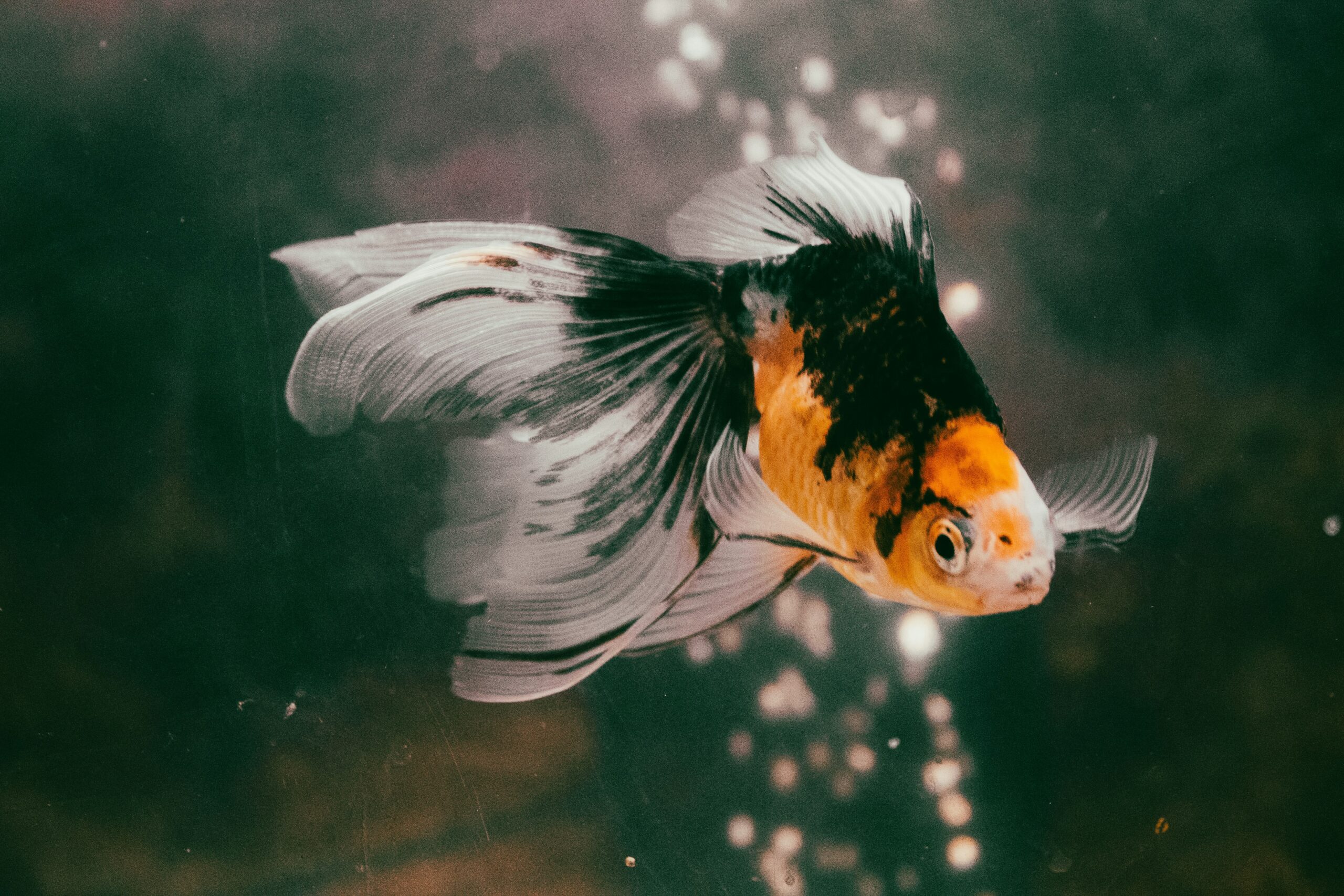
Selecting the appropriate fish for your aquarium is a critical first step that can significantly influence the success of your aquatic environment. The choice of species should be guided by several factors, including the size of your tank, the water conditions you can provide, and the compatibility of different fish species. For instance, if you have a small aquarium of 10 gallons, it may be wise to consider smaller species such as Betta fish or Neon Tetras, which thrive in limited spaces.
Conversely, larger tanks can accommodate more robust species like Cichlids or Goldfish, which require more swimming space and can produce higher levels of waste. In addition to tank size, understanding the specific needs of each fish species is paramount. Some fish are more sensitive to water parameters such as pH, temperature, and hardness.
For example, Discus fish prefer warmer water temperatures around 82-86°F and a slightly acidic pH, while Goldfish thrive in cooler conditions. Researching the natural habitats of potential fish can provide insights into their environmental needs. Furthermore, consider the social dynamics of your chosen species; some fish are solitary and territorial, while others are schooling fish that thrive in groups.
Ensuring compatibility among species will help prevent aggression and stress in your aquarium.
Key Takeaways
- Select fish species that suit your aquarium size and environment.
- Properly set up and cycle your aquarium before adding fish.
- Maintain water quality through regular testing and cleaning.
- Provide a balanced diet tailored to your fish’s nutritional needs.
- Understand fish behavior to promote social well-being and prevent stress.
Setting Up the Aquarium
Once you have selected your fish, the next step is to set up the aquarium environment to ensure it meets their needs. The first consideration is the tank size and shape; larger tanks generally provide a more stable environment due to their greater water volume, which helps buffer against fluctuations in water quality. When setting up the tank, it is essential to include a substrate that suits the needs of your fish.
For example, if you are keeping bottom-dwelling species like Catfish, a soft substrate such as sand or fine gravel is ideal to prevent injury to their delicate barbels. Aquascaping is another vital aspect of setting up your aquarium. Incorporating plants, rocks, and driftwood not only enhances the aesthetic appeal but also provides hiding spots and territories for your fish.
Live plants can improve water quality by absorbing nitrates and providing oxygen, while decorations can create a more natural environment that reduces stress for your fish. Additionally, consider the placement of equipment such as filters and heaters; ensuring that water flow is adequate without creating strong currents is crucial for the comfort of your aquatic inhabitants.
Water Quality and Maintenance

Maintaining optimal water quality is fundamental to the health and well-being of your fish. Regular testing of water parameters such as ammonia, nitrite, nitrate, pH, and hardness is essential to ensure a stable environment. Ammonia and nitrite should ideally be at zero levels, as both are toxic to fish even in small amounts.
Nitrate levels should be kept below 20 ppm through regular water changes and proper filtration. A well-cycled aquarium will establish beneficial bacteria that convert harmful ammonia into less harmful nitrate, creating a balanced ecosystem. Water changes are a critical component of aquarium maintenance.
Depending on the bioload of your tank—determined by the number and type of fish—you may need to perform partial water changes weekly or bi-weekly. During these changes, it’s important to use a dechlorinator if you are using tap water, as chlorine can be harmful to fish. Additionally, cleaning the substrate and decorations can help remove uneaten food and waste that contribute to poor water quality.
Regular maintenance not only keeps your aquarium looking pristine but also ensures a healthy environment for your aquatic life.
Feeding and Nutrition
Feeding your fish a balanced diet is essential for their growth, health, and overall well-being. Different species have varying dietary requirements; some are herbivores, while others are carnivores or omnivores. For instance, Tetras thrive on high-quality flake food supplemented with occasional live or frozen foods like brine shrimp or daphnia, while Cichlids may require specialized pellets that cater to their protein needs.
Understanding these dietary preferences will help you select appropriate foods that promote optimal health. In addition to choosing the right type of food, it’s crucial to establish a feeding schedule that mimics natural feeding patterns. Most fish benefit from being fed small amounts two to three times a day rather than one large feeding.
This approach not only prevents overfeeding but also reduces waste in the tank. Observing your fish during feeding times can provide insights into their health; if they are eager to eat and exhibit normal behavior, it’s a good sign they are thriving. Conversely, if they show disinterest in food or exhibit unusual behavior, it may indicate underlying health issues that need addressing.
Behavior and Social Needs
| Metric | Value | Notes |
|---|---|---|
| Average Lifespan | 1-10 years | Varies by species; goldfish can live up to 10 years or more |
| Common Species | Goldfish, Betta, Guppy, Tetra, Angelfish | Popular choices for beginner and experienced hobbyists |
| Tank Size | 5-50 gallons | Depends on species and number of fish |
| Water Temperature | 72-78°F (22-26°C) | Typical range for tropical fish |
| pH Level | 6.5-7.5 | Optimal for most freshwater fish |
| Feeding Frequency | Once or twice daily | Small portions to avoid overfeeding |
| Common Health Issues | Ich, fin rot, swim bladder disease | Often caused by poor water quality or stress |
| Maintenance | Weekly partial water changes | Essential for healthy environment |
Understanding the behavior and social needs of your fish is vital for creating a harmonious aquarium environment. Many species exhibit specific social structures; for example, schooling fish like Guppies or Rasboras thrive in groups and feel more secure when kept in larger numbers. Keeping them in small groups can lead to stress and aggression among individuals.
On the other hand, some species like Betta fish are territorial and should be housed alone or with carefully selected tank mates to avoid conflict. Observing your fish’s behavior can also provide valuable insights into their well-being. Healthy fish are typically active swimmers with vibrant colors and clear eyes.
Changes in behavior such as hiding excessively, lethargy, or aggressive interactions can signal stress or illness. Providing ample hiding spots and territories can help reduce stress among more aggressive species while promoting a sense of security for all inhabitants. Additionally, maintaining a consistent routine in terms of feeding and lighting can help establish stability in the aquarium environment.
Common Health Issues

Fish can be susceptible to various health issues that may arise from poor water quality, stress, or inadequate nutrition. One common ailment is Ichthyophthirius multifiliis, commonly known as “ich,” which manifests as white spots on the skin and fins of infected fish. This parasitic infection often occurs when fish are stressed or when water conditions fluctuate dramatically.
Treatment typically involves raising the water temperature slightly and adding medication specifically designed to combat ich. Another prevalent issue is fin rot, which can occur due to bacterial infections often exacerbated by poor water quality or physical injuries. Fish with fin rot may exhibit frayed or disintegrating fins and may require treatment with antibiotics or improved water conditions to recover fully.
Regular monitoring of your fish’s health and prompt action at the first signs of illness can prevent minor issues from escalating into serious problems.
Interacting with Your Fish
Interacting with your fish can enhance both your experience as an aquarist and the well-being of your aquatic pets. While fish may not respond in the same way as traditional pets like dogs or cats, they can recognize their owners and may even exhibit behaviors indicating familiarity when approached during feeding times. Spending time observing your fish allows you to appreciate their unique personalities and behaviors.
Creating a routine around feeding times can foster a bond between you and your fish. For instance, using a specific feeding method—such as hand-feeding certain species—can encourage trust over time. Additionally, providing enrichment through varied feeding techniques or introducing new decorations can stimulate their curiosity and promote mental well-being.
While direct interaction may be limited compared to other pets, establishing a connection with your fish through consistent care and observation can lead to a rewarding experience for both you and your aquatic companions.
Conclusion and Resources
In conclusion, successfully maintaining an aquarium requires careful consideration at every stage—from selecting the right fish to ensuring optimal water quality and nutrition. By understanding the specific needs of different species and creating an environment that mimics their natural habitats, aquarists can foster healthy ecosystems that thrive over time. Resources such as books on aquarium care, online forums dedicated to specific species, and local aquarium clubs can provide valuable information and support for both novice and experienced aquarists alike.
Engaging with fellow hobbyists through these resources can enhance your knowledge base while providing opportunities for sharing experiences and advice on best practices in aquarium maintenance. Whether you are just starting out or looking to expand your existing setup, continuous learning about aquatic life will enrich your journey as an aquarist and contribute to the overall success of your aquarium endeavors.













0 Comments