
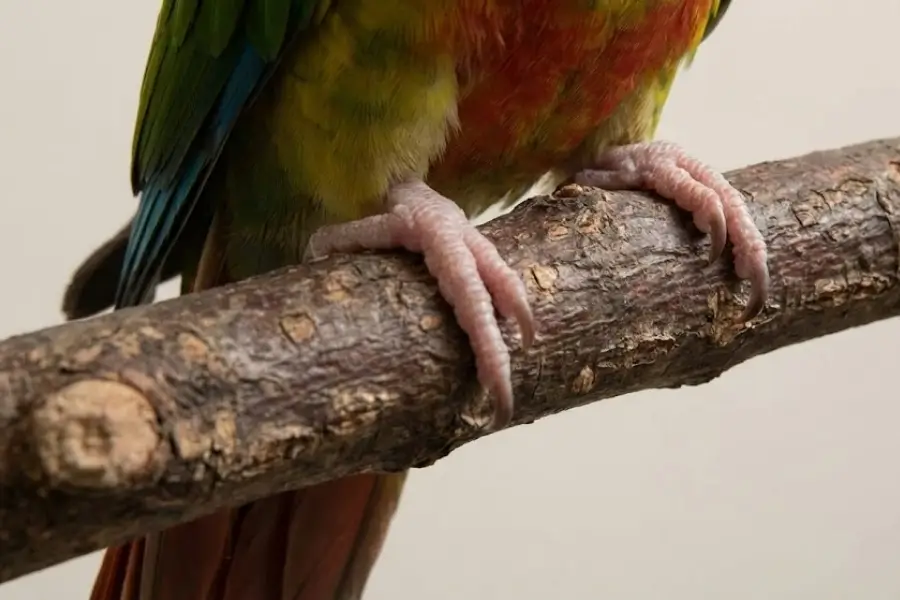
For a bird, a perch is their constant companion—their bed, chair, and exercise equipment. A poor perch setup can lead to serious, painful foot problems, most notably bumblefoot (pododermatitis), a severe infection and inflammation of the footpad. A healthy environment demands variety, as the wrong perch can put undue pressure on the same areas of the foot all day long. This guide emphasizes the crucial importance of a diverse perch environment for long-term foot health.
The Problem with Uniformity: Ditching the Dowels
Most commercial cages come with smooth, uniform wooden dowel perches.
– Why They Are Harmful: Standing on a perch of a single, consistent diameter for hours restricts blood flow and forces the bird to grip with the same foot position continually. This creates constant pressure points, leading to tissue damage and the development of bumblefoot.
– Action: Dowels should be phased out or relegated to minimal-use areas of the cage.
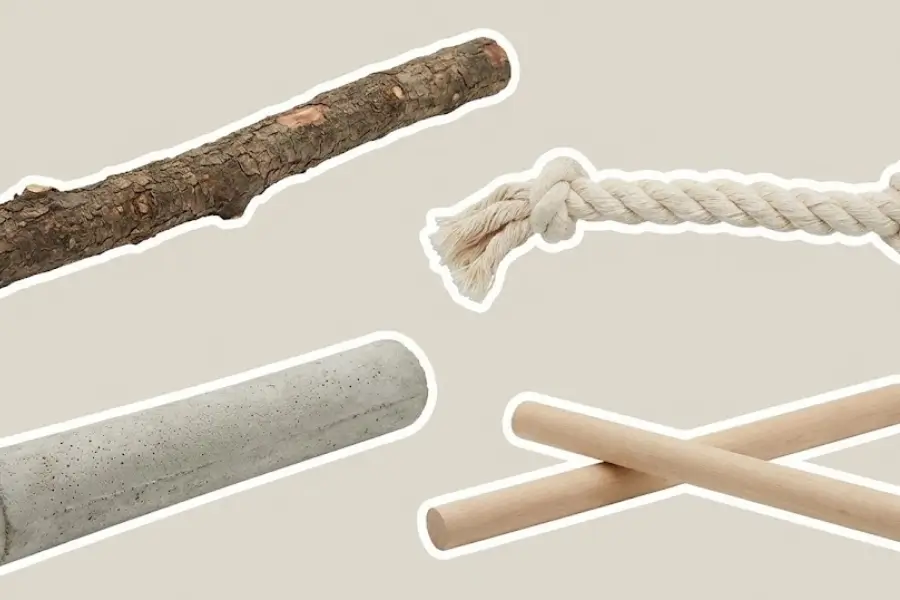
The Gold Standard: Natural Wood Branches
Perches that mimic the natural environment are the best investment you can make in your bird’s foot health.
– Variety is Non-Negotiable: Natural branches have irregular diameters, curves, knots, and varying bark textures. As the bird moves, their feet are constantly forced to change grip and position, exercising different muscles and distributing pressure evenly.
– Sourcing: Use bird-safe woods such as manzanita, java wood, dragonwood, or fruit tree branches (apple, pear—ensure they are pesticide-free and properly cleaned).
– Benefit: The rough, irregular texture aids in naturally keeping nails and beaks worn down.
Other Perch Types for Critical Support
Supplementing natural branches with a few specialized perches adds vital variety.
– Rope Perches: These soft, flexible perches are comfortable and provide a welcome break from hard surfaces. They are excellent for older birds or those with mild arthritis. **Safety Note:** Inspect them daily and cut away any loose, frayed threads that could snag a toe or be ingested.
– Platform/Shelf Perches: A flat wooden or wicker platform allows the bird to rest their feet completely flat, relieving all pressure points. This is especially beneficial for sleeping or for birds with existing foot conditions.
– Pedicure Perches (Abrasive): Perches made of concrete, sand, or pumice are useful for trimming nails and beaks. **Critical Caution:** These are abrasive and should *never* be used as the bird’s primary perch or their sleeping perch. Place them strategically near the food or water dish where the bird only stands for short periods.
Correct Sizing and Placement
Even the best perch is useless if it is the wrong size or in a bad location.
– Correct Diameter: When your bird grips the perch, their toes should not wrap all the way around and touch on the other side. The foot should cover about 2/3 to 3/4 of the perch’s circumference.
– Placement: Place a comfortable natural branch at the highest point of the cage, as this is typically the preferred sleeping spot. Ensure perches are spaced far enough apart to encourage climbing and hopping, but avoid placing them directly above food and water bowls to prevent droppings contamination.
Conclusion
The ultimate bird cage setup includes a minimum of three to four different perch types and diameters. By ditching the standard dowels and embracing the variety of natural wood, rope, and platform perches, you provide the necessary exercise and pressure distribution to prevent painful foot conditions and support your bird’s long-term mobility.













0 Comments