
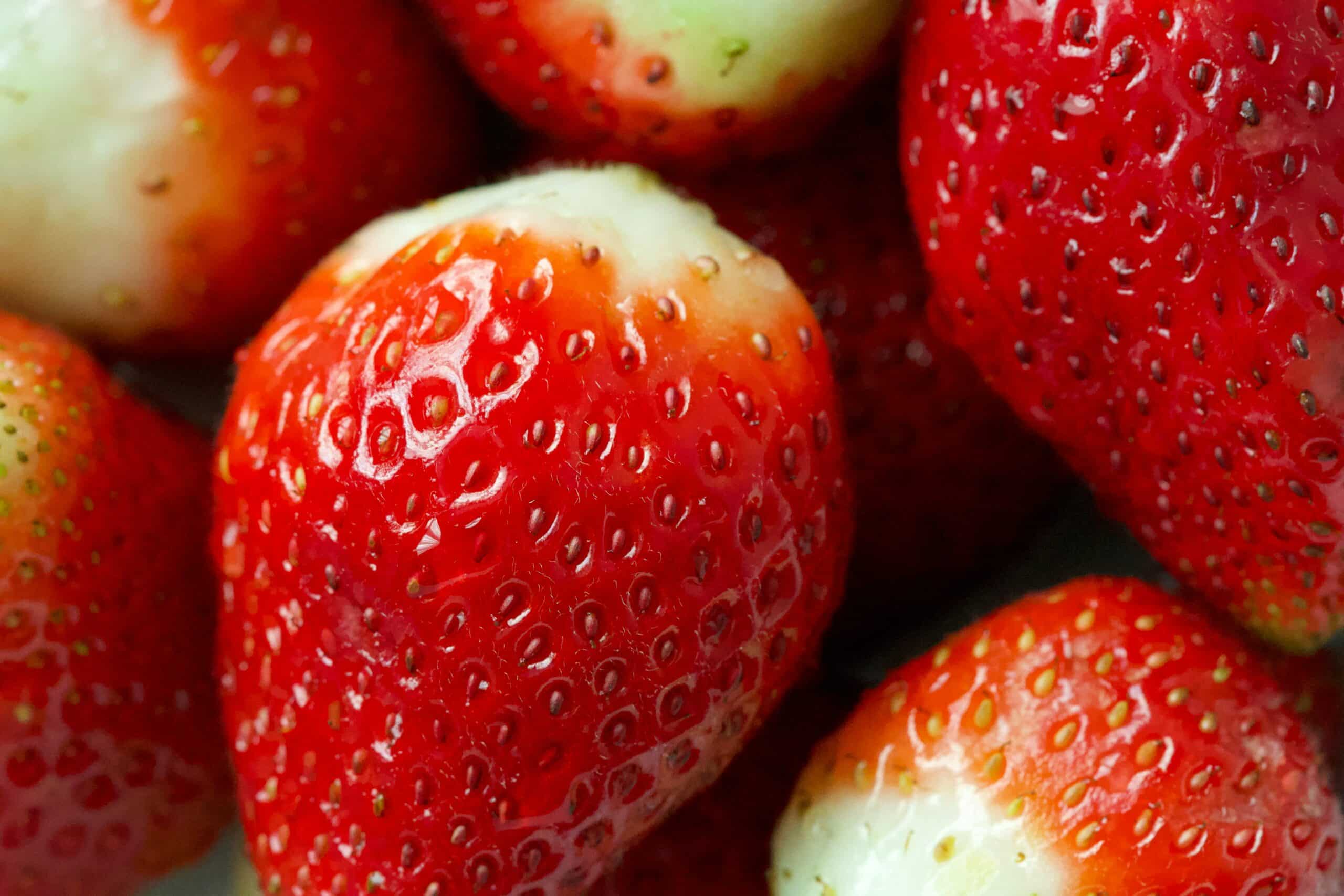
Strawberries are a nutrient-dense fruit that dog owners frequently consider as a potential treat for their pets. These berries contain vitamin C, fiber, potassium, and antioxidants such as anthocyanins and ellagic acid. When evaluating strawberries as a canine snack, it is important to examine their nutritional composition and assess both the benefits and potential risks they may present to dogs.
Strawberries are generally safe for dogs to consume in moderation. The fruit’s natural sugar content is relatively low compared to many other fruits, and the fiber content can support digestive health. The vitamin C and antioxidants present in strawberries may provide immune system benefits, though dogs naturally produce vitamin C in their bodies, unlike humans.
When introducing strawberries to a dog’s diet, several factors require consideration. The berries should be fresh, thoroughly washed, and given in small quantities to prevent digestive upset. The stems and leaves should be removed, as they can be difficult to digest.
Additionally, strawberries should only constitute a small percentage of a dog’s total caloric intake, as treats should not exceed 10% of a pet’s daily calories to maintain proper nutritional balance.
Key Takeaways
- Strawberries can be a healthy treat for dogs when given in moderation.
- They provide essential nutrients like vitamins, fiber, and antioxidants beneficial to dogs.
- Potential risks include choking hazards, sugar content, and possible allergic reactions.
- Always wash and cut strawberries into small pieces before feeding to dogs.
- Monitor your dog for any allergic symptoms and consult a vet if any adverse reactions occur.
Nutritional Benefits of Strawberries for Dogs
Strawberries are rich in essential vitamins and minerals that can contribute positively to a dog’s health. One of the most notable benefits is their high vitamin C content. This vitamin is an antioxidant that helps combat free radicals in the body, potentially reducing the risk of chronic diseases.
While dogs can synthesize their own vitamin C, additional sources can still be beneficial, especially for older dogs or those with compromised immune systems. The presence of vitamin C in strawberries can support skin health, boost the immune system, and promote overall vitality. In addition to vitamin C, strawberries contain dietary fiber, which is crucial for maintaining a healthy digestive system in dogs.
Fiber aids in regulating bowel movements and can help prevent constipation. Furthermore, the fiber found in strawberries can contribute to a feeling of fullness, which may assist in weight management for dogs that are prone to obesity. Strawberries also provide a range of other nutrients, including folate, potassium, and manganese, all of which play vital roles in various bodily functions.
The combination of these nutrients makes strawberries a wholesome addition to a dog’s diet when offered in moderation.
Potential Risks of Feeding Strawberries to Dogs

While strawberries offer numerous health benefits, there are potential risks associated with feeding them to dogs that pet owners should be aware of. One primary concern is the possibility of allergic reactions. Just like humans, dogs can develop allergies to certain foods, including fruits.
Symptoms of an allergic reaction may include itching, swelling, gastrointestinal upset, or even more severe reactions in rare cases. It is advisable to introduce strawberries gradually into your dog’s diet and monitor for any adverse reactions. Another risk involves the sugar content found in strawberries.
Although the natural sugars present in fruits are generally healthier than processed sugars, they can still contribute to weight gain and dental issues if consumed excessively. Dogs that are diabetic or have certain health conditions may need to avoid sugary treats altogether. Additionally, the seeds on the surface of strawberries could pose a choking hazard for smaller breeds or dogs that tend to gulp their food without chewing properly.
Therefore, it is essential to supervise your dog when offering strawberries and ensure they are cut into manageable pieces.
How to Prepare Strawberries for Dogs
Preparing strawberries for your dog is a straightforward process that ensures they can enjoy this fruit safely. First and foremost, it is crucial to wash the strawberries thoroughly to remove any pesticides or contaminants that may be present on their surface. Organic strawberries are often recommended as they are less likely to contain harmful chemicals.
After washing, remove the green tops and cut the strawberries into small pieces or slices. This not only makes them easier for your dog to eat but also reduces the risk of choking. For added variety, you can also freeze strawberries before offering them to your dog.
Frozen strawberries can serve as a refreshing treat on hot days and may even help soothe teething puppies. Another creative way to prepare strawberries is by blending them into a puree and mixing them with your dog’s regular food or incorporating them into homemade dog treats. This method allows you to control the ingredients while providing your dog with a flavorful addition to their meals.
Moderation and Frequency of Feeding Strawberries to Dogs
| Metric | Details |
|---|---|
| Can Dogs Eat Strawberries? | Yes, in moderation |
| Health Benefits | Rich in fiber, vitamin C, and antioxidants |
| Potential Risks | Allergic reactions, choking hazard if not cut properly |
| Recommended Serving Size | Small pieces, a few strawberries depending on dog size |
| Preparation Tips | Wash thoroughly, remove stems, cut into small pieces |
| Frequency | Occasional treat, not daily |
| Signs of Adverse Reaction | Vomiting, diarrhea, itching, swelling |
When it comes to feeding strawberries to dogs, moderation is key. While these berries are nutritious, they should not replace a balanced diet specifically formulated for canine health. A general guideline is to offer strawberries as an occasional treat rather than a daily staple.
For small dogs, one or two slices may suffice, while larger breeds can handle a few more pieces without issue. It is essential to consider your dog’s size, weight, and overall health when determining the appropriate serving size. Incorporating strawberries into your dog’s diet should be done thoughtfully.
Treats should make up no more than 10% of your dog’s daily caloric intake to maintain a balanced diet. This means that if your dog consumes 500 calories per day, only about 50 calories should come from treats like strawberries. Keeping track of how often you offer strawberries will help prevent overindulgence and ensure that your dog continues to receive a well-rounded diet.
Signs of Allergic Reactions in Dogs

As previously mentioned, some dogs may experience allergic reactions when introduced to new foods like strawberries. Recognizing the signs of an allergic reaction is crucial for prompt intervention. Common symptoms include itching or scratching at the skin, which may lead to redness or inflammation.
Some dogs may develop hives or swelling around the face, ears, or paws. Gastrointestinal upset is another potential sign; this may manifest as vomiting or diarrhea shortly after consuming strawberries. In more severe cases, dogs may experience difficulty breathing or show signs of anaphylaxis, which is a life-threatening reaction requiring immediate veterinary attention.
If you notice any unusual behavior or symptoms after feeding your dog strawberries for the first time, it is essential to consult with your veterinarian promptly. Keeping a close eye on your dog during and after introducing new foods will help ensure their safety and well-being.
Alternatives to Strawberries for Dogs
For pet owners looking for alternatives to strawberries that still provide nutritional benefits, several other fruits and vegetables can be safely included in a dog’s diet. Blueberries are an excellent option; they are low in calories and high in antioxidants, making them a superfood for dogs. Similarly, apples (without seeds) offer fiber and vitamins A and C while being crunchy and enjoyable for dogs to chew on.
Carrots are another healthy alternative that many dogs love due to their crunchy texture. They are low in calories and high in beta-carotene, which supports eye health. Sweet potatoes can also be beneficial; they are rich in vitamins and minerals while being easy on a dog’s digestive system when cooked properly.
These alternatives not only provide variety but also ensure that your dog receives essential nutrients without relying solely on strawberries.
Conclusion and Final Recommendations for Feeding Strawberries to Dogs
In summary, strawberries can be a delightful and nutritious treat for dogs when offered in moderation and prepared correctly. Their rich vitamin content and antioxidant properties make them an appealing addition to a dog’s diet, provided that pet owners remain vigilant about potential allergic reactions and the overall balance of their dog’s nutrition. By introducing strawberries gradually and monitoring your dog’s response, you can safely incorporate this fruit into their treat rotation.
Ultimately, it is essential to remember that every dog is unique; what works for one may not work for another. Consulting with your veterinarian before introducing new foods is always advisable, especially if your dog has pre-existing health conditions or dietary restrictions. By taking these precautions and considering alternatives when necessary, you can ensure that your furry friend enjoys a varied and healthy diet that includes occasional treats like strawberries.













0 Comments