
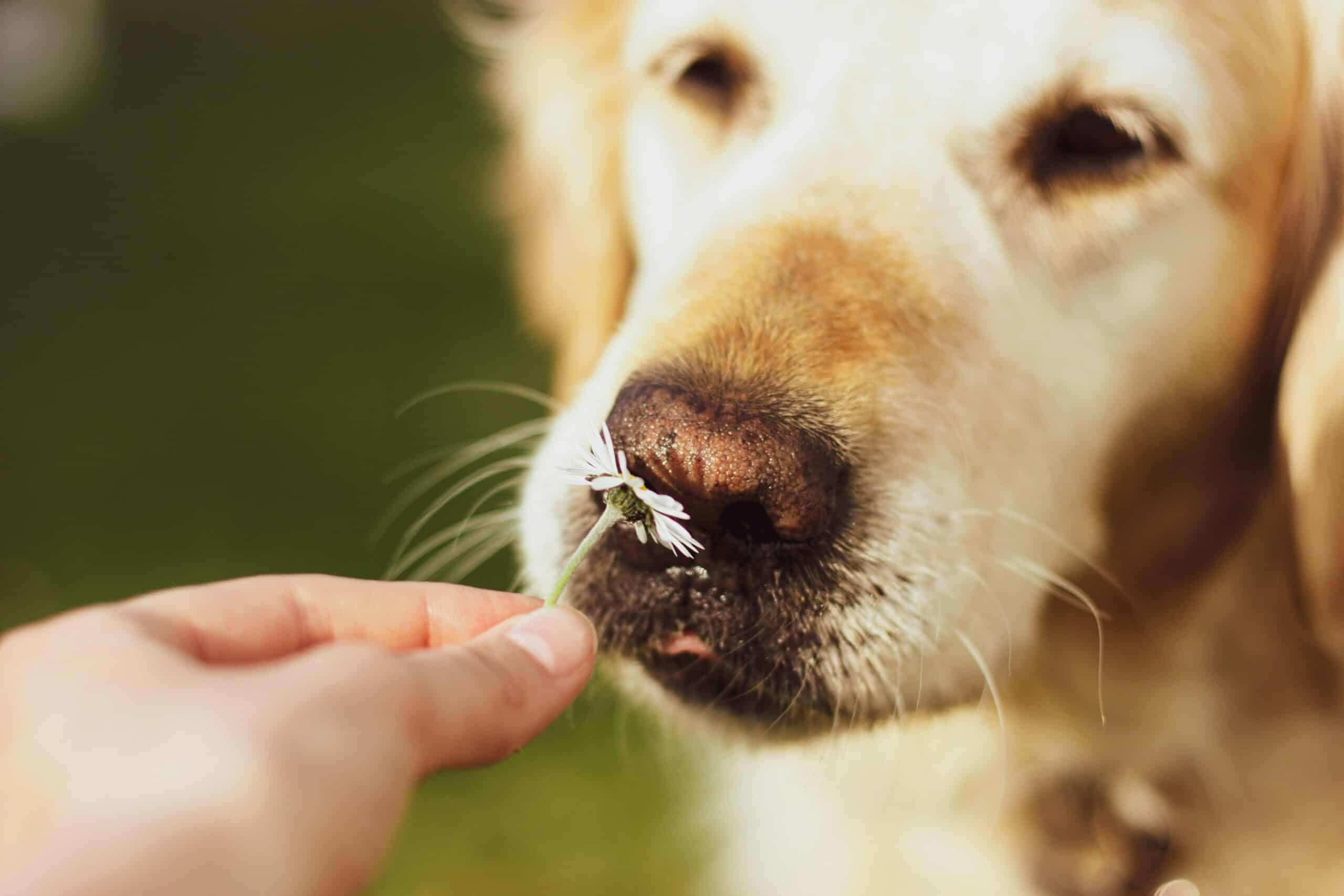
Canine allergies are a prevalent medical condition affecting numerous dogs worldwide, characterized by the immune system’s hypersensitive response to specific substances called allergens. These allergens can originate from three primary sources: environmental elements (such as pollen, dust mites, and mold), dietary components (including proteins from beef, chicken, dairy, or grains), and parasitic organisms (particularly flea saliva). When exposed to these triggers, the dog’s immune system produces an excessive inflammatory response, resulting in various clinical manifestations.
Clinical symptoms of canine allergies present differently across individual animals, ranging from mild discomfort to severe systemic reactions. The most frequently observed symptoms include pruritus (intense itching), erythema (skin redness), chronic otitis externa (ear infections), epiphora (excessive tearing), and dermatitis. Gastrointestinal manifestations may include emesis (vomiting) and diarrhea, particularly in cases of food allergies.
Severe scratching and self-trauma can lead to secondary bacterial infections, pyoderma (skin infections), and the formation of hot spots—acute moist dermatitis characterized by localized inflammation and bacterial overgrowth. Early identification and intervention are critical for preventing complications associated with untreated allergic conditions. Chronic allergic reactions can result in secondary bacterial or yeast infections, permanent skin damage, and behavioral changes due to persistent discomfort.
Accurate diagnosis typically requires veterinary evaluation, which may include elimination diets, intradermal skin testing, or serum allergy testing to identify specific allergens and develop appropriate treatment protocols.
Key Takeaways
- Canine allergies are caused by various triggers and present symptoms like itching and skin irritation.
- Common allergens include pollen, dust mites, certain foods, and flea bites.
- Allergy testing helps identify specific allergens through blood tests or skin tests.
- Treatment options range from medications to natural remedies and dietary adjustments.
- Long-term management involves environmental changes and consistent care to prevent flare-ups.
Identifying Allergens: Common Triggers for Canine Allergies
Identifying the specific allergens that trigger a dog’s allergic reactions is a critical step in managing their condition. Allergens can be broadly categorized into three main groups: environmental allergens, food allergens, and parasites. Environmental allergens include pollen, mold spores, dust mites, and certain grasses or weeds.
For example, a dog that spends a lot of time outdoors may be more susceptible to seasonal allergies caused by pollen from blooming plants. Similarly, mold spores can be prevalent in damp environments, leading to allergic reactions in sensitive dogs. Food allergies are another significant concern for many dogs.
Common food allergens include proteins such as beef, chicken, dairy, wheat, and soy. A dog may develop an allergy to a specific ingredient after repeated exposure over time. Symptoms of food allergies often manifest as skin irritations or gastrointestinal distress.
For instance, a dog that develops an allergy to chicken may experience chronic itching or gastrointestinal upset after consuming chicken-based dog food. Parasites like fleas can also trigger allergic reactions; flea allergy dermatitis is a common condition where a dog becomes hypersensitive to flea saliva, resulting in intense itching and skin inflammation.
Allergy Testing for Dogs: Options and Process

When it comes to diagnosing canine allergies, several testing options are available to pet owners and veterinarians. The most common methods include intradermal skin testing and serum allergy testing. Intradermal skin testing involves injecting small amounts of various allergens into the skin and observing the dog’s reaction.
This method is often considered the gold standard for allergy testing because it provides immediate results and allows for the identification of specific allergens. Serum allergy testing, on the other hand, involves taking a blood sample from the dog and analyzing it for the presence of antibodies against specific allergens. While this method is less invasive than skin testing and can be performed in a veterinary clinic or laboratory, it may not always provide as comprehensive results as intradermal testing.
Both methods have their advantages and limitations; therefore, consulting with a veterinarian is essential to determine the most appropriate testing option based on the dog’s symptoms and medical history.
Medication Options: Allergy Relief for Dogs
Once a diagnosis has been made, various medication options are available to help alleviate the symptoms of canine allergies. Antihistamines are commonly prescribed to manage mild allergic reactions by blocking histamine receptors in the body. Medications such as diphenhydramine (Benadryl) can be effective in reducing itching and inflammation in some dogs.
However, not all dogs respond well to antihistamines, so it may take some trial and error to find the right medication. In more severe cases, corticosteroids may be prescribed to provide rapid relief from inflammation and itching. These medications work by suppressing the immune response that triggers allergic reactions.
While corticosteroids can be highly effective in managing symptoms, they also come with potential side effects when used long-term, such as increased thirst, urination, and susceptibility to infections. Additionally, newer medications like oclacitinib (Apoquel) and lokivetmab (Cytopoint) have emerged as targeted therapies for managing allergic dermatitis in dogs. These medications work by inhibiting specific pathways involved in the allergic response, offering relief with fewer side effects compared to traditional corticosteroids.
Natural Remedies for Canine Allergies: Alternative Treatments
| Treatment | Description | Effectiveness | Common Side Effects | Typical Duration |
|---|---|---|---|---|
| Antihistamines | Medications that block histamine to reduce allergic reactions | Moderate | Dry mouth, drowsiness | Daily use as needed |
| Corticosteroids | Anti-inflammatory drugs to reduce severe allergic symptoms | High | Increased thirst, increased urination, potential long-term side effects | Short-term or as prescribed |
| Immunotherapy (Allergy Shots) | Gradual exposure to allergens to build tolerance | High | Mild swelling at injection site, rare allergic reactions | Several months to years |
| Fatty Acid Supplements | Omega-3 and Omega-6 fatty acids to improve skin health | Moderate | Rare gastrointestinal upset | Continuous use |
| Medicated Shampoos | Topical treatment to soothe skin and remove allergens | Moderate | Skin dryness if overused | Weekly or as recommended |
| Environmental Management | Reducing exposure to allergens (e.g., cleaning, air filters) | Variable | None | Ongoing |
In addition to conventional medications, many pet owners seek natural remedies to help manage their dog’s allergies. These alternative treatments can complement traditional therapies or serve as standalone options for mild cases. One popular natural remedy is omega-3 fatty acids, which are known for their anti-inflammatory properties.
Supplementing a dog’s diet with fish oil or flaxseed oil can help reduce skin inflammation and improve overall coat health. Herbal remedies such as chamomile and calendula are also commonly used to soothe irritated skin. Chamomile can be brewed into a tea and applied topically to affected areas or used in baths to provide relief from itching.
Calendula ointments can help promote healing of inflamed skin and reduce redness. Additionally, probiotics may play a role in supporting a healthy immune system and gut health, potentially reducing the severity of allergic reactions in some dogs.
Allergy-Friendly Diet for Dogs: Managing Allergies through Nutrition

Diet plays a crucial role in managing canine allergies, particularly when food allergens are involved. An elimination diet is often recommended as a first step in identifying food sensitivities or allergies. This process involves feeding the dog a limited ingredient diet that excludes common allergens for several weeks while monitoring for improvements in symptoms.
Once the dog’s condition stabilizes, specific ingredients can be gradually reintroduced one at a time to pinpoint any triggers. Hypoallergenic dog foods are also available on the market, formulated with novel protein sources such as venison or duck that are less likely to cause allergic reactions. These diets often contain hydrolyzed proteins that are broken down into smaller components that the immune system is less likely to recognize as allergens.
In addition to avoiding known allergens, incorporating high-quality ingredients rich in nutrients can support overall health and bolster the immune system.
Environmental Changes: Creating an Allergy-Free Environment for Your Dog
Creating an allergy-friendly environment is essential for minimizing exposure to potential allergens that can trigger reactions in sensitive dogs. Regular cleaning practices can significantly reduce environmental allergens such as dust mites and pollen within the home. Vacuuming carpets and upholstery frequently with a vacuum equipped with a HEPA filter can help capture allergens that may be present in the home environment.
Additionally, using air purifiers with HEPA filters can improve indoor air quality by removing airborne allergens like pollen and mold spores. Keeping windows closed during high pollen seasons and using air conditioning can further reduce exposure to outdoor allergens. For dogs with sensitivities to certain materials or chemicals, opting for hypoallergenic bedding and cleaning products can also make a significant difference in their comfort levels.
Long-Term Management: Preventing Canine Allergy Flare-Ups
Long-term management of canine allergies requires a proactive approach that combines various strategies tailored to each dog’s unique needs. Regular veterinary check-ups are essential for monitoring the dog’s condition and adjusting treatment plans as necessary. Keeping a detailed record of symptoms, potential triggers, and responses to treatments can help both pet owners and veterinarians identify patterns that may inform future management strategies.
In addition to medical interventions and dietary adjustments, maintaining consistent grooming practices can help minimize allergens on the dog’s coat and skin. Regular baths with hypoallergenic shampoos can remove irritants while soothing inflamed skin. Furthermore, pet owners should remain vigilant about flea control measures since flea bites can exacerbate allergic reactions significantly.
By implementing these comprehensive management strategies, pet owners can help their dogs lead happier lives while minimizing the impact of allergies on their daily activities.













0 Comments