
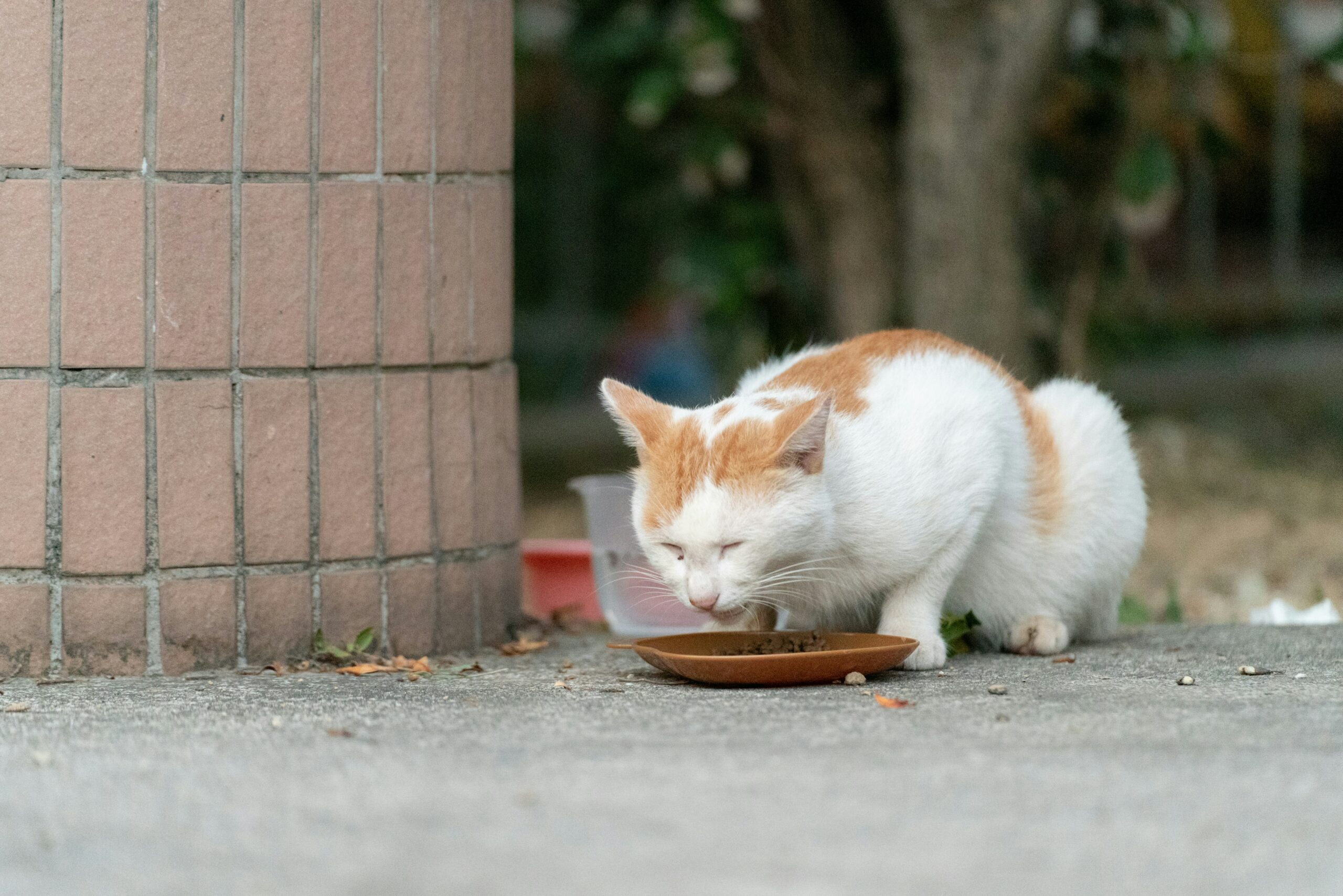
Cat allergies affect a significant portion of the population and result from exposure to specific proteins present in cat saliva, skin cells, and urine. During grooming, cats transfer these allergenic proteins to their fur, which subsequently become airborne particles called dander when the fur naturally sheds. Inhalation or contact with this dander triggers immune responses in allergic individuals, manifesting as sneezing, conjunctival irritation, nasal congestion, and potentially asthma exacerbations.
The clinical presentation of cat allergies demonstrates considerable individual variation in both severity and onset timing. Symptom intensity ranges from mild reactions manageable with antihistamine medications to severe responses requiring medical treatment. Age of initial symptom development varies, with some individuals experiencing allergic reactions during childhood while others develop sensitivity later in life.
Concurrent exposure to additional environmental allergens, including pollen and dust mites, can intensify cat allergy symptoms through cross-reactivity and cumulative allergenic load.
Key Takeaways
- Cat allergies are triggered by proteins found in cat saliva, skin, and urine.
- Hypoallergenic diets focus on reducing exposure to common allergens through specialized cat food.
- Selecting the right hypoallergenic food involves considering ingredient quality and your cat’s specific sensitivities.
- Gradually transitioning your cat to a hypoallergenic diet helps prevent digestive upset.
- Monitoring your cat’s response and consulting a vet are crucial for managing severe allergy symptoms effectively.
Hypoallergenic Diet Basics
A hypoallergenic diet is designed to minimize the risk of allergic reactions by eliminating common allergens and introducing novel protein sources that are less likely to provoke an immune response. In the context of cat allergies, this type of diet can be particularly beneficial for cats that may have food sensitivities contributing to their overall allergenic profile. The goal of a hypoallergenic diet is to provide balanced nutrition while reducing the likelihood of triggering allergic reactions in both cats and their human companions.
The foundation of a hypoallergenic diet typically involves using limited ingredients that are less likely to cause allergies. This often includes novel protein sources such as duck, venison, or fish, which are not commonly found in standard cat foods. Additionally, hypoallergenic diets may incorporate hydrolyzed proteins, where the protein molecules are broken down into smaller fragments that are less likely to elicit an immune response.
By focusing on these specialized formulations, pet owners can help reduce the overall allergenic load on their cats and potentially alleviate some of the symptoms associated with allergies.
Choosing the Right Hypoallergenic Food

Selecting the appropriate hypoallergenic food for a cat requires careful consideration of several factors. First and foremost, it is essential to consult with a veterinarian who can provide guidance based on the specific needs and health status of the cat. A veterinarian may recommend a specific brand or formulation that has been clinically tested for efficacy in managing allergies.
It is also important to read labels meticulously; many commercial cat foods contain fillers or by-products that could trigger allergic reactions. When evaluating hypoallergenic food options, pet owners should look for products that list a single source of protein and minimal ingredients. Brands that offer limited-ingredient diets often provide clear labeling that indicates the absence of common allergens such as chicken, beef, or dairy.
Additionally, some manufacturers produce prescription diets specifically formulated for cats with food allergies or sensitivities. These diets undergo rigorous testing and are designed to meet the nutritional needs of cats while minimizing allergenic potential.
Transitioning to a Hypoallergenic Diet
Transitioning a cat to a hypoallergenic diet should be approached gradually to minimize gastrointestinal upset and allow the cat’s digestive system to adjust. A sudden change in diet can lead to issues such as vomiting or diarrhea, which can complicate the process of identifying food allergies. A common recommendation is to mix the new hypoallergenic food with the current diet over a period of seven to ten days, gradually increasing the proportion of the new food while decreasing the old.
During this transition period, it is crucial to monitor the cat’s response closely. Observing any changes in behavior, coat condition, or allergy symptoms can provide valuable insights into how well the new diet is being tolerated. If adverse reactions occur during the transition, it may be necessary to slow down the process or consult with a veterinarian for further guidance.
Patience is key; it may take several weeks for the full effects of the new diet to become apparent.
Supplementing a Hypoallergenic Diet
| Metric | Description | Typical Values/Examples |
|---|---|---|
| Common Allergens | Ingredients often causing allergic reactions in cats | Beef, dairy, fish, chicken, wheat, soy |
| Protein Source | Novel or hydrolyzed proteins used in hypoallergenic diets | Duck, venison, rabbit, hydrolyzed chicken protein |
| Carbohydrate Source | Low allergenic carbohydrate ingredients | Potato, sweet potato, peas, rice |
| Trial Duration | Recommended length of hypoallergenic diet trial to assess effectiveness | 8 to 12 weeks |
| Common Symptoms Addressed | Signs of food allergies that hypoallergenic diets aim to reduce | Itching, hair loss, vomiting, diarrhea, ear infections |
| Diet Types | Forms of hypoallergenic diets available | Prescription dry, wet, homemade elimination diets |
| Success Rate | Percentage of cats showing improvement on hypoallergenic diets | Approximately 70-80% |
| Consultation Requirement | Need for veterinary supervision during diet trial | Recommended for diagnosis and monitoring |
While a hypoallergenic diet can significantly reduce allergic reactions in cats, supplementation may enhance its effectiveness and overall nutritional profile. Omega-3 fatty acids, for example, are known for their anti-inflammatory properties and can help improve skin health and reduce itching associated with allergies. Fish oil supplements or specially formulated omega-3 products designed for pets can be beneficial additions to a hypoallergenic diet.
Probiotics are another valuable supplement that can support digestive health and bolster the immune system. A healthy gut microbiome plays a crucial role in overall health and can help mitigate allergic responses. When selecting probiotics for cats, it is essential to choose products specifically formulated for felines, as their digestive systems differ from those of humans or other animals.
Consulting with a veterinarian about appropriate supplements can ensure that they complement the hypoallergenic diet effectively.
Monitoring the Effects of a Hypoallergenic Diet

Monitoring the effects of a hypoallergenic diet is an ongoing process that requires diligence and attention to detail. Pet owners should keep a journal documenting any changes in their cat’s behavior, coat condition, and allergy symptoms over time. This record can help identify patterns and determine whether the new diet is having a positive impact on the cat’s health.
Regular veterinary check-ups are also essential during this period. A veterinarian can perform skin tests or blood tests to assess allergy levels and determine if further dietary adjustments are necessary. Additionally, they can provide insights into any other underlying health issues that may be contributing to allergy symptoms.
By maintaining open communication with a veterinarian and being proactive about monitoring changes, pet owners can make informed decisions regarding their cat’s dietary needs.
Other Tips for Managing Cat Allergies
In addition to dietary changes, there are several other strategies pet owners can employ to manage cat allergies effectively. Regular grooming is one such method; brushing a cat frequently helps reduce dander and loose fur in the home environment. Using an air purifier equipped with HEPA filters can also help capture airborne allergens, improving indoor air quality and reducing allergy symptoms for sensitive individuals.
Creating designated pet-free zones within the home can further minimize exposure to allergens. For instance, keeping bedrooms off-limits to cats can provide a safe space for allergy sufferers to retreat when symptoms flare up. Additionally, washing bedding and curtains regularly in hot water can help eliminate accumulated dander and other allergens from living spaces.
Seeking Professional Help for Severe Allergies
For individuals experiencing severe allergic reactions or those who find it challenging to manage their symptoms despite dietary changes and environmental modifications, seeking professional help is crucial. Allergists or immunologists specialize in diagnosing and treating allergies and can offer tailored solutions based on individual needs. They may recommend allergy testing to identify specific triggers or suggest immunotherapy as a long-term treatment option.
In some cases, medication may be necessary to control severe symptoms effectively. Prescription antihistamines or corticosteroids can provide relief from acute allergic reactions but should be used under medical supervision due to potential side effects. By working closely with healthcare professionals, individuals suffering from severe cat allergies can develop comprehensive management plans that address both immediate symptoms and long-term strategies for living harmoniously with feline companions.













0 Comments