
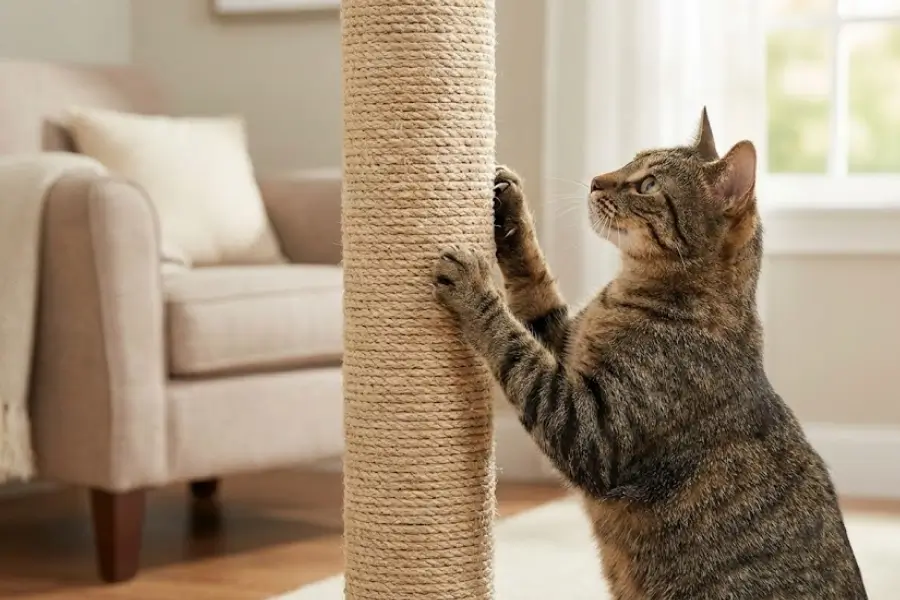
For many new cat owners, the prospect of scratched furniture can be a major concern. This often leads to the consideration of declawing, a procedure that is widely misunderstood. Far from a simple nail trim, declawing is a major surgery with significant physical and behavioral consequences for a cat. Understanding the truth about this procedure is crucial for making an informed and humane decision for your feline companion.
What is Declawing?
Declawing, or onychectomy, is not the removal of the nail. It is the surgical amputation of the last bone of each of the cat’s toes. If performed on a human, it would be comparable to cutting off each finger at the last knuckle. The procedure is typically performed under general anesthesia, and the recovery can be painful and prolonged.
The Negative Consequences of Declawing
Physical Pain and Complications
The surgery itself is painful, and many cats experience chronic pain and discomfort long after the initial recovery period. Complications can include infection, tissue necrosis, lameness, and back pain. The altered anatomy of their paws can change the way a cat walks, leading to long-term joint problems.
Behavioral Changes
Cats use their claws for various natural behaviors, including scratching, climbing, and stretching. Removing their claws can be psychologically damaging. Declawed cats may become more aggressive, as they feel defenseless without their primary means of protection. They may also be more prone to litter box problems, as the pain in their paws can make digging in litter uncomfortable.
Loss of Natural Defenses
A cat’s claws are its first line of defense. Without them, a declawed cat is at a significant disadvantage if it ever finds itself outside or needs to defend itself from other animals.
Humane and Effective Alternatives to Declawing
Fortunately, there are many humane and effective alternatives to declawing that can protect your furniture while allowing your cat to keep its claws and perform its natural behaviors.
– 1. Provide Appropriate Scratching Surfaces: Scratching is a natural and necessary behavior for cats. The key is to provide them with appropriate places to scratch.
– Variety is Key: Offer scratching posts made of different materials like sisal rope, cardboard, and carpet.
– Location, Location, Location: Place scratching posts in areas where your cat naturally likes to scratch.
– Height Matters: Ensure the scratching post is tall enough for your cat to fully stretch out its body.
– 2. Regular Nail Trimming: Regular nail trimming is a simple and effective way to keep your cat’s claws blunt, reducing the damage they can cause to your furniture.
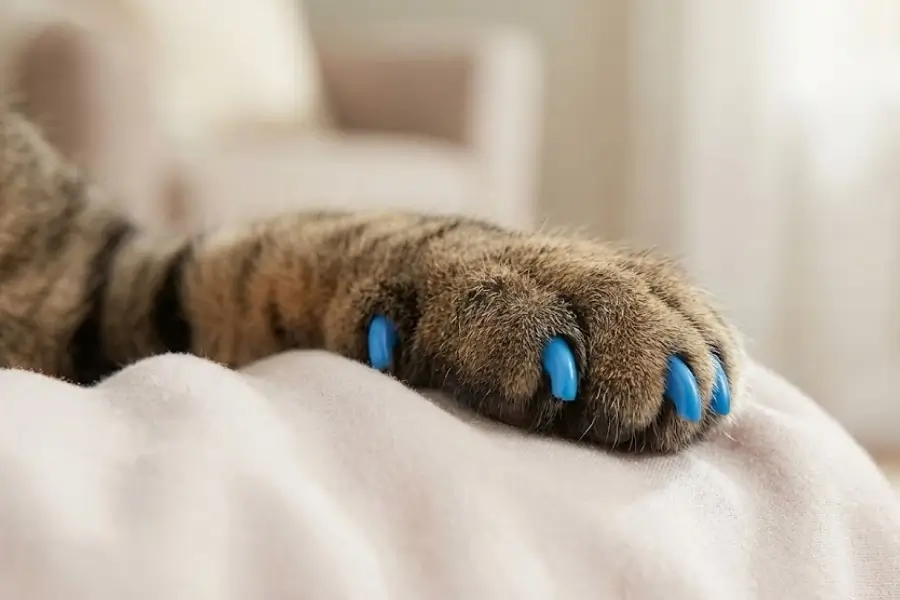
– 3. Nail Caps: Nail caps are soft, plastic covers that are glued onto a cat’s claws. They are a safe and humane alternative that can protect your furniture for several weeks at a time.
Image: A close-up of a cat’s paw with blue nail caps, a humane alternative to declawing.
As the nail grows, the cap will naturally fall off, and a new one can be applied. Nail caps are painless and do not interfere with the normal extension and retraction of the claws.
– 4. Training and Deterrents: You can also train your cat to scratch on appropriate surfaces and deter them from scratching furniture.
– Use Positive Reinforcement: Praise and reward your cat with treats when it uses its scratching post.
– Deterrents: Use double-sided tape or aluminum foil on surfaces you want to protect. You can also use a citrus-scented spray, as cats generally dislike the smell of citrus.
By understanding the truth about declawing and implementing these humane alternatives, you can ensure a happy and healthy life for your cat while keeping your home and furniture safe.













0 Comments