
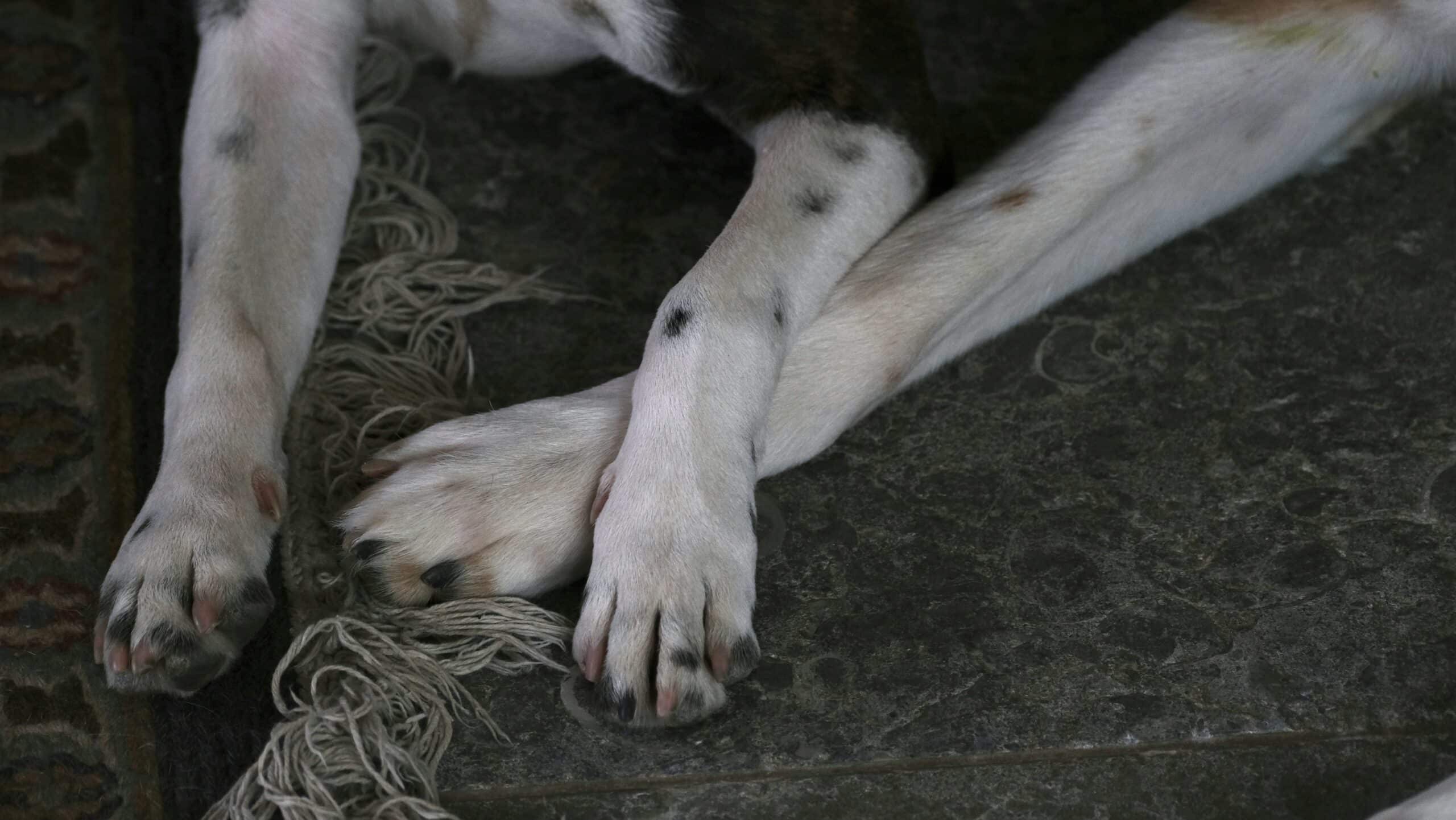
Nail trimming is an essential component of canine health maintenance that requires consistent attention. Dogs with dark-colored nails present additional challenges during trimming procedures due to reduced visibility of the quick (the pink tissue containing blood vessels and nerves within the nail). Excessive nail length creates multiple health complications.
Extended nails force the toes to spread unnaturally, causing discomfort and altering the dog’s natural gait. This biomechanical change places additional stress on joints throughout the leg and can contribute to long-term orthopedic issues. Overgrown nails are also susceptible to catching on surfaces, resulting in painful fractures or avulsions that may require veterinary intervention.
Regular nail maintenance provides several benefits for canine health and welfare. Properly trimmed nails allow for normal weight distribution across the paw, supporting natural movement patterns and joint alignment. This maintenance is particularly important for working dogs and active breeds that engage in regular physical exercise.
Additionally, appropriate nail length reduces the risk of accidental scratching during human-animal interactions and prevents damage to household surfaces and furnishings. The frequency of nail trimming varies based on factors including the dog’s activity level, surface types they regularly walk on, and individual growth rates. Dogs that frequently walk on concrete or asphalt may naturally wear down their nails, while those primarily on soft surfaces typically require more frequent trimming.
Key Takeaways
- Trimming black dog nails is crucial for your pet’s comfort and health, requiring careful attention to avoid injury.
- Proper preparation includes gathering the right tools and acclimating your dog to the process to reduce stress.
- Use a step-by-step approach to trim black nails safely, focusing on avoiding the quick, which is harder to see in dark nails.
- Employ calming techniques and patience to manage resistance and fear during nail trimming sessions.
- Aftercare and positive reinforcement help ensure your dog remains cooperative and comfortable with future nail trims.
Gathering the Necessary Tools and Supplies
Before embarking on the nail-trimming journey, it is essential to gather the right tools and supplies to ensure a smooth and efficient process. The most common tool for trimming dog nails is a pair of dog nail clippers. There are various types available, including guillotine-style clippers, scissors-style clippers, and electric grinders.
Each type has its advantages; for instance, guillotine clippers are often favored for their precision, while electric grinders can provide a smoother finish and reduce the risk of splitting the nail. In addition to clippers, having a good quality nail file or grinder on hand can be beneficial for smoothing out any rough edges after trimming. Styptic powder or cornstarch is also essential in case of accidental cuts to the quick, which is the sensitive part of the nail that contains blood vessels and nerves.
Having treats nearby can help create a positive association with the process, making it easier for both you and your dog. A comfortable space where your dog feels secure will also contribute to a successful nail-trimming session.
Preparing Your Dog for Nail Trimming

Preparation is key when it comes to trimming your dog’s nails, especially for black dogs that may be more sensitive to the process due to their darker nails. Start by acclimating your dog to having their paws handled. This can be done gradually by gently massaging their paws during playtime or while they are relaxed.
The goal is to make your dog comfortable with having their feet touched, which will help reduce anxiety during the actual trimming. Once your dog is accustomed to having their paws handled, it’s important to create a calm environment for the nail-trimming session. Choose a quiet space free from distractions where your dog feels safe.
You might want to use a non-slip mat or towel to provide stability while trimming. If your dog tends to be anxious or fidgety, consider using calming aids such as pheromone sprays or anxiety wraps. These can help create a soothing atmosphere that encourages relaxation during the process.
Step-by-Step Guide to Trimming Black Dog Nails
When you’re ready to begin trimming your black dog’s nails, it’s important to follow a systematic approach to ensure safety and effectiveness. Start by positioning your dog comfortably, either sitting or lying down, depending on what they prefer. Hold one paw firmly but gently in your hand, ensuring that your grip is secure enough to prevent sudden movements but not so tight that it causes discomfort.
Begin with one nail at a time. For black nails, it can be challenging to see the quick, so take extra care when trimming. Start by trimming just the tip of the nail at a slight angle, avoiding any pressure on the nail bed.
If you notice any change in color or texture as you trim closer to the quick—such as a lighter shade or a change in consistency—stop immediately. It’s better to err on the side of caution than risk cutting into the quick, which can cause bleeding and pain.
Dealing with Black Nails and Avoiding the Quick
| Step | Action | Details | Tips |
|---|---|---|---|
| 1 | Gather Supplies | Nail clippers, styptic powder, flashlight, treats | Use a sharp clipper designed for dogs |
| 2 | Calm Your Dog | Ensure your dog is relaxed and comfortable | Use treats and gentle petting to soothe |
| 3 | Identify the Quick | Use a flashlight to see the blood vessel inside black nails | Trim small amounts to avoid cutting the quick |
| 4 | Trim the Nail | Cut small sections at a time, angled slightly | Stop if you see a dark spot or feel resistance |
| 5 | Check for Bleeding | If bleeding occurs, apply styptic powder immediately | Keep styptic powder handy before starting |
| 6 | Reward Your Dog | Give treats and praise after trimming | Helps create a positive association |
| 7 | Regular Maintenance | Trim nails every 1-2 weeks | Prevents nails from becoming too long and painful |
Trimming black dog nails presents unique challenges due to the difficulty in identifying the quick. Unlike lighter-colored nails where the quick is more visible, black nails require a more cautious approach. One effective method is to trim small amounts at a time and observe any changes in the nail’s appearance as you get closer to the quick.
Look for subtle signs such as a change in texture or a slight sheen that indicates you are nearing the sensitive area. Another technique involves using a flashlight or bright light source to illuminate the nail from underneath. This can sometimes help reveal the outline of the quick through the dark nail.
If you’re unsure about how much to trim, consider consulting with a veterinarian or professional groomer who can provide guidance based on their experience with black nails. They may also offer tips on how to gradually desensitize your dog to nail trimming if they are particularly anxious about it.
Tips for Calm and Successful Nail Trimming

Creating a calm atmosphere is essential for successful nail trimming sessions with your black dog. One effective strategy is to incorporate positive reinforcement throughout the process. Before you even begin trimming, reward your dog with treats and praise for being calm and cooperative while you handle their paws.
This helps build a positive association with nail trimming and encourages good behavior. Additionally, consider breaking up the trimming process into smaller sessions if your dog becomes anxious or restless. Instead of attempting to trim all nails at once, focus on one paw per session or even just one nail at a time if necessary.
This approach reduces stress for both you and your dog and allows you to gradually work towards completing the task without overwhelming them. Using calming music or soft voices can also help create an environment conducive to relaxation.
Dealing with Resistance and Fear in Dogs
Resistance during nail trimming is not uncommon, especially in dogs that have had negative experiences in the past or those that are naturally anxious. If your black dog shows signs of fear or resistance—such as pulling away, whining, or trying to escape—it’s important to remain patient and understanding. Forcing them into submission can exacerbate their fear and make future sessions even more challenging.
Instead of pushing through resistance, take a step back and reassess your approach. Consider using desensitization techniques by introducing clippers gradually without actually trimming any nails at first. Allow your dog to sniff and investigate the clippers while rewarding them with treats for calm behavior.
Over time, you can progress to touching their paws with the clippers without cutting any nails, reinforcing positive behavior throughout each step of the process.
Aftercare and Rewarding Your Dog for a Job Well Done
After successfully trimming your black dog’s nails, it’s essential to provide aftercare and positive reinforcement to solidify their good behavior during the process. Begin by inspecting each paw for any signs of discomfort or injury; this is particularly important if you accidentally nicked the quick during trimming. If bleeding occurs, apply styptic powder or cornstarch directly to the area and apply gentle pressure until it stops.
Once you’ve ensured that your dog is comfortable and healthy post-trim, reward them with treats, praise, or playtime as a way of reinforcing their cooperation during the session. This positive reinforcement not only helps build trust between you and your dog but also encourages them to view future nail-trimming sessions as positive experiences rather than stressful ones. Over time, with consistent practice and patience, you can help your black dog become more comfortable with nail trimming, making it an easier task for both of you in the long run.













0 Comments