
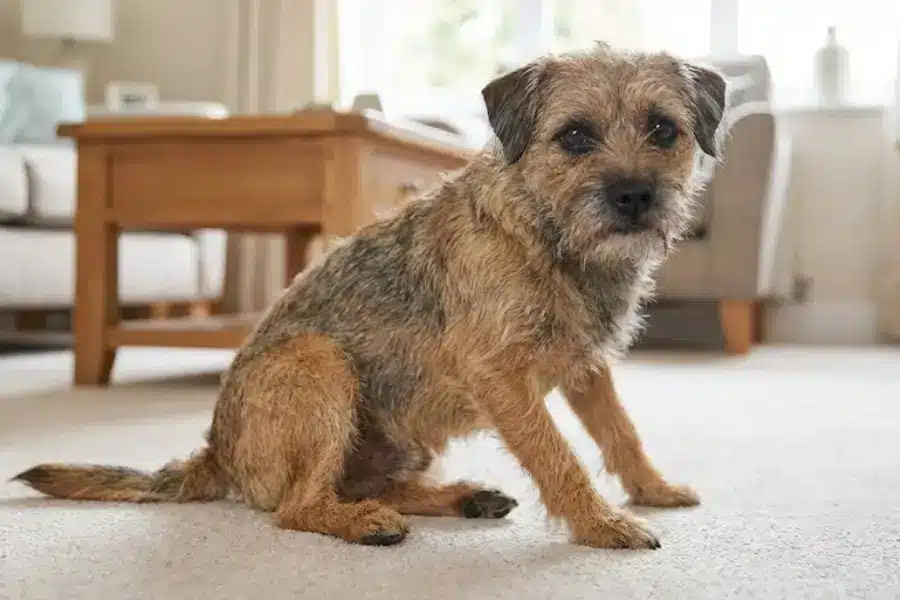
It’s a scene every dog owner knows all too well. You’re enjoying a quiet evening, watching TV, when your beloved pup suddenly drops their back end to the floor and begins to drag it across your favorite rug. While it might seem comical at first, this behavior, commonly known as “scooting,” is almost always a sign that your dog is experiencing discomfort, itchiness, or even pain in their rear end.
Scooting is not a behavioral issue; it’s a medical symptom. Your dog is trying to alleviate a physical irritation in the only way they know how. Ignoring it won’t make it go away and could lead to more serious problems down the line. This article will delve into the most common causes of dog scooting and explore the various cures and preventative measures you can take to keep your furry friend comfortable.
The Top Culprit: Anal Gland Issues
By far, the most common reason for a dog to scoot is a problem with their anal glands (also called anal sacs). These are two small, grape-sized pouches located on either side of your dog’s anus. They contain a foul-smelling, oily fluid that is normally expressed when your dog defecates, acting as a scent marker.
Sometimes, these glands don’t empty properly. The fluid can become thick and impacted, causing the sacs to become swollen and uncomfortable. In more severe cases, an impacted gland can become infected, leading to a painful abscess that may even rupture through the skin.
Signs of Anal Gland Problems:
– Frequent scooting
– Licking or biting at the rear end
– A strong, fishy odor coming from your dog
– Pain or reluctance to sit down
– Redness or swelling around the anus
The Cure: If you suspect anal gland issues, a trip to the vet is in order. Your veterinarian or a professional groomer can manually express the glands to relieve the pressure. If there’s an infection, your vet may prescribe antibiotics and anti-inflammatory medication. For dogs with chronic issues, your vet might recommend a high-fiber diet to help bulk up their stool, which aids in the natural expression of the glands.
Other Common Causes of Scooting
While anal glands are the usual suspects, they aren’t the only reason a dog might scoot. Here are other common causes to consider:
1. Intestinal Parasites
Tapeworms are a frequent cause of anal itching. Dogs typically get them from ingesting a flea carrying a tapeworm larva. As the tapeworm matures in the dog’s intestine, segments of the worm (which look like grains of rice) can exit through the anus, causing intense irritation.
The Cure: A fecal exam by your veterinarian can confirm the presence of parasites. Treatment involves a simple deworming medication that is highly effective. Regular flea prevention is key to stopping the cycle of re-infection.
2. Skin Allergies
Just like humans, dogs can suffer from allergies to food or environmental factors like pollen, dust mites, or grass. These allergies often manifest as itchy skin, and the area under the tail is a prime target.
The Cure: Identifying the allergen is the first step. This may involve an elimination diet for food allergies or medication like antihistamines or corticosteroids to manage environmental allergies. Your vet can guide you through this process.
3. Skin Irritation & Grooming Issues
Sometimes the cause is as simple as a dirty bottom. Fecal matter matted in the fur around the anus can cause significant irritation. Clipper burn from a recent grooming session can also lead to scooting.
The Cure: Keeping the area clean and well-groomed is essential. Gentle cleaning with warm water and a mild dog-safe soap can help. If the irritation is severe or infected, your vet may prescribe a topical ointment.
4. Dietary Issues
A diet lacking in fiber can lead to soft stools, which may not be firm enough to naturally express the anal glands during defecation.
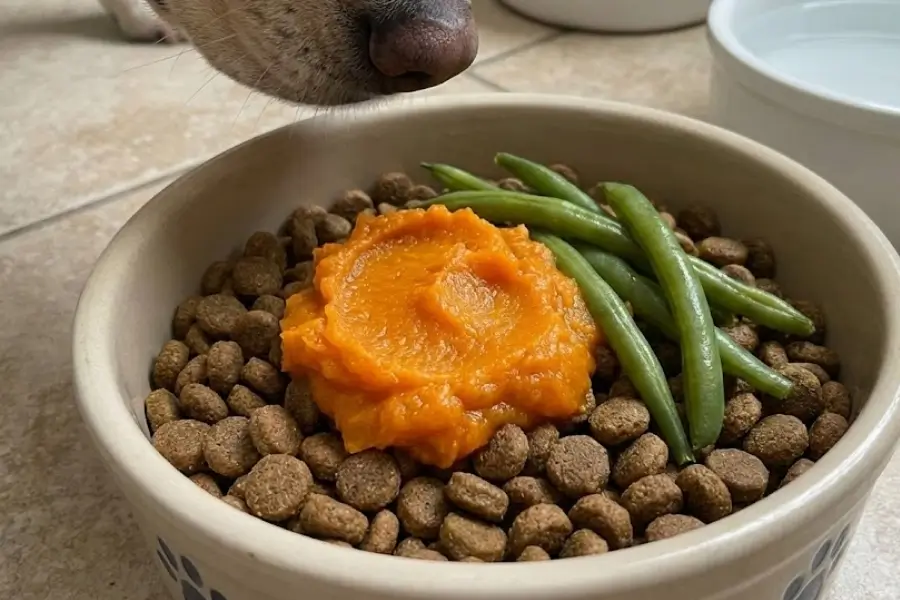
The Cure: Adding fiber to your dog’s diet can make a world of difference. Canned pumpkin (plain, not pie filling) is a popular and effective home remedy. Your vet may also recommend a prescription high-fiber food or a fiber supplement.
5. Other Medical Conditions
Less commonly, scooting can be a sign of more serious issues like tumors around the anus, rectal prolapse, or trauma to the area.
The Cure: These conditions require immediate veterinary attention for diagnosis and a tailored treatment plan, which could involve surgery.
When to See the Vet
If your dog scoots once or twice and then stops, it may have just been a fleeting itch. However, you should consult your veterinarian if:
– The scooting is frequent or persistent.
– You notice other symptoms like licking, biting, redness, or swelling.
– There is a foul odor.
– Your dog seems to be in pain.
– You see “rice grains” (tapeworm segments) in their stool or on their fur.
Conclusion
While the “booty drag” might be a source of amusement or embarrassment, it’s important to recognize it as a sign that your dog needs your help. By understanding the potential causes, from common anal gland issues to parasites and allergies, you can take the necessary steps to get your furry companion back to being comfortable and happy. When in doubt, always consult your veterinarian to get to the bottom of the problem.













0 Comments